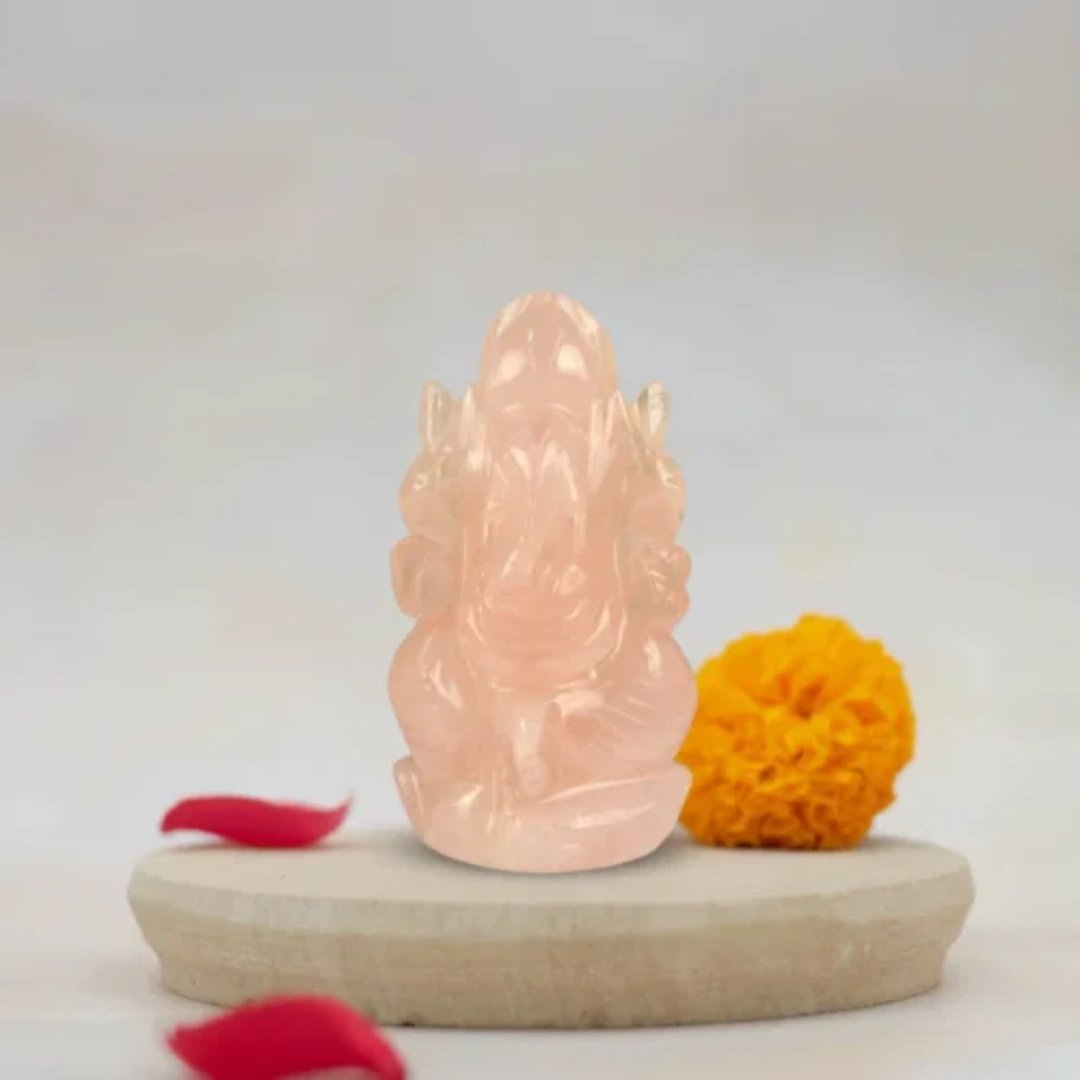
 Best Offers for You







Most people think of obstacles as external things. A blocked opportunity. A difficult person. A situation that will not move.
But some of the hardest obstacles are not outside at all.
They are the relationship that broke and never fully healed. The self-doubt that stops you before you even begin. The loneliness that sits quietly in a house full of people. The trust that someone damaged and you never fully got back.
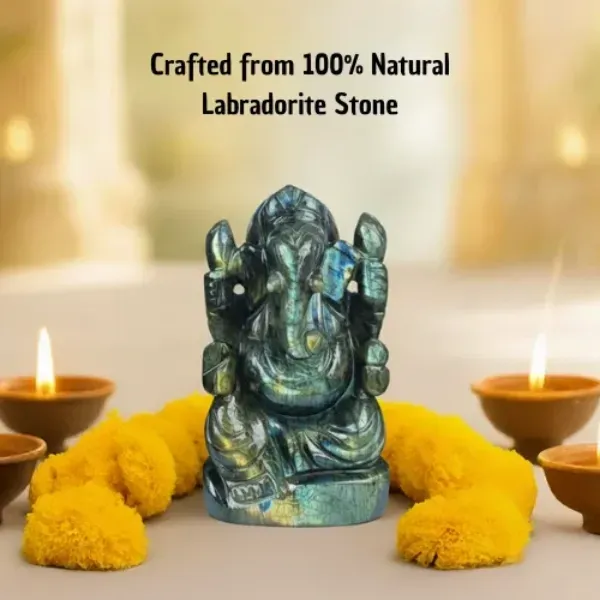
These are real obstacles. And Ganesha — Vignaharta, the remover of all obstacles — does not make a distinction between the ones outside and the ones inside.
This murti is for both.
Lord Ganesha — Why He Is Always First
In every Hindu ceremony, every prayer, every new beginning — Ganesha is worshipped first. Not Lakshmi, not Shiva, not Vishnu. Ganesha first. Always.
He is called "Pratham Pujya" — the first to be honored. And "Vignaharta" — the remover of obstacles, of all kinds.
The Ganesha Purana says something important that is often missed: Ganesha does not just remove obstacles. He governs them. He decides which ones stay and which ones go, based on whether you are ready to move forward. When you approach him with sincerity — he clears the path. When you approach him without clarity — he helps you find it.
His form is a teaching in itself:
Large head — think beyond what is immediately in front of you Large ears — listen before you speak, receive before you give Small, focused eyes — see what truly matters, not what distracts Large stomach — hold both joy and sorrow with equanimity Broken tusk — he sacrificed perfection in the service of knowledge The mouse — the restless mind, tamed and made purposeful
When you worship Ganesha, you are not just asking for a door to open. You are inviting a particular quality of awareness into your life — one that sees obstacles clearly, faces them directly, and moves through them with grace.
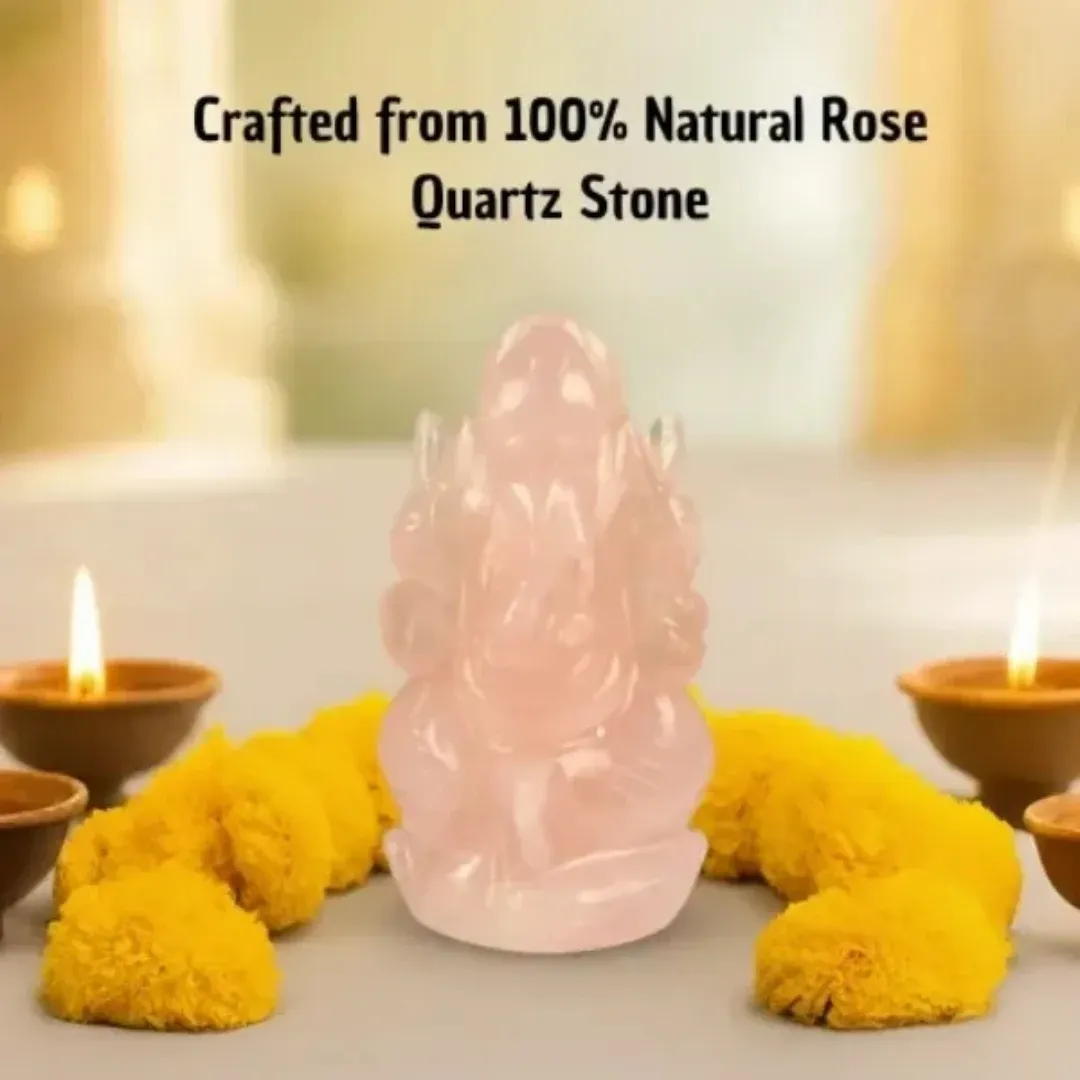
Rose Quartz — Why It Has Been Called the Heart's Stone for Thousands of Years
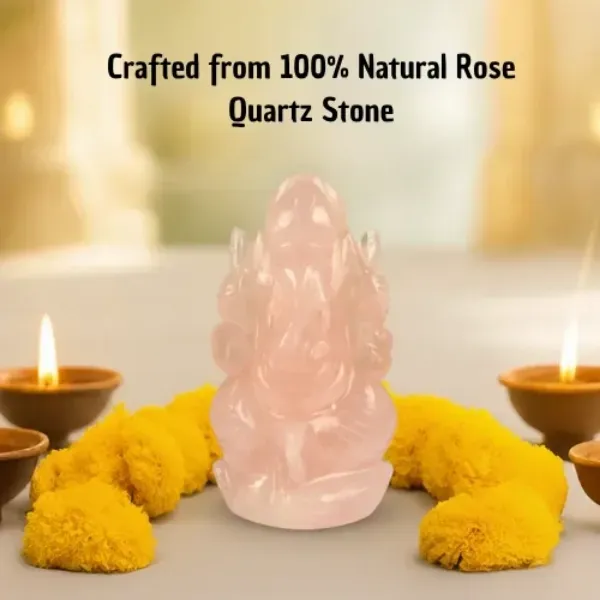
Rose Quartz is a variety of quartz — silicon dioxide — whose pink color comes from trace elements of titanium, iron and manganese within the crystal lattice. This is natural chemistry, not dye. The softer the pink, the more delicate the trace elements. The deeper the pink, the higher the concentration.
What makes Rose Quartz extraordinary is not just its color — it is what that color has consistently represented across entirely different civilizations, with no contact between them.
Ancient Egypt: Rose Quartz facial masks have been found in Egyptian tombs — used by women who believed the stone prevented aging and brought beauty and love. It was associated with Isis, the goddess of healing, motherhood and love.
Ancient Greece and Rome: Rose Quartz was the stone of Aphrodite (Venus in Roman tradition) — goddess of love. Mythology says she bled onto white quartz when cut by Ares, turning it pink. This stone was given as love tokens between people.
India: In Vedic crystal tradition, Rose Quartz is directly linked to Shukra (Venus) — the planet governing love, relationships, beauty and emotional harmony. It is associated with the Anahata chakra — the heart chakra — which governs not just romantic love but all forms of connection: compassion, self-love, forgiveness, and the ability to give and receive without conditions.
China: Rose Quartz has been carved into idols of Kuan Yin — the goddess of compassion — for centuries. It is considered the stone of gentle healing, the stone that softens the heart that has hardened from pain.
Across Egypt, Greece, Rome, India and China — cultures that developed independently, with no shared mythology — Rose Quartz was recognized as the same thing. The stone of the heart. The stone of love in its fullest sense — not just romantic love, but the love that heals, that forgives, that begins again.
That consistency across cultures and centuries is not coincidence. It is recognition.
Why This Combination — Ganesha in Rose Quartz — Is Particularly Powerful
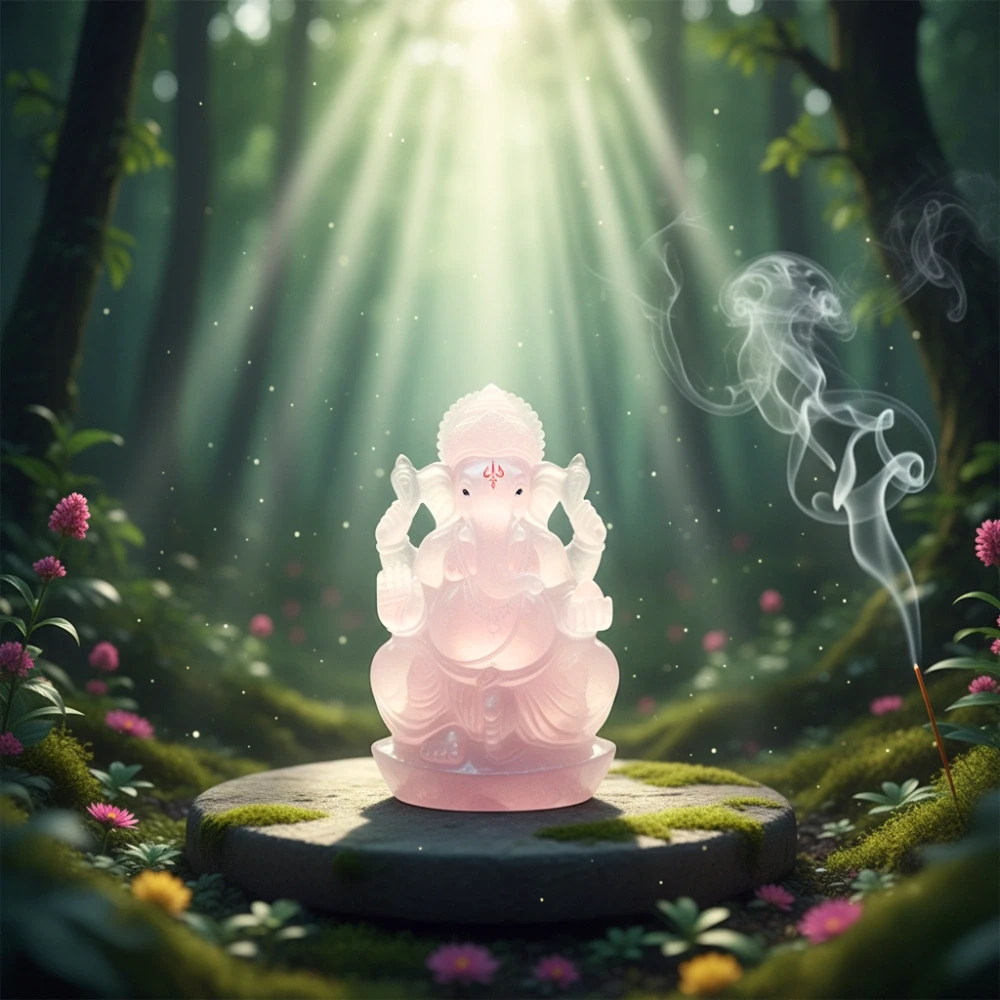
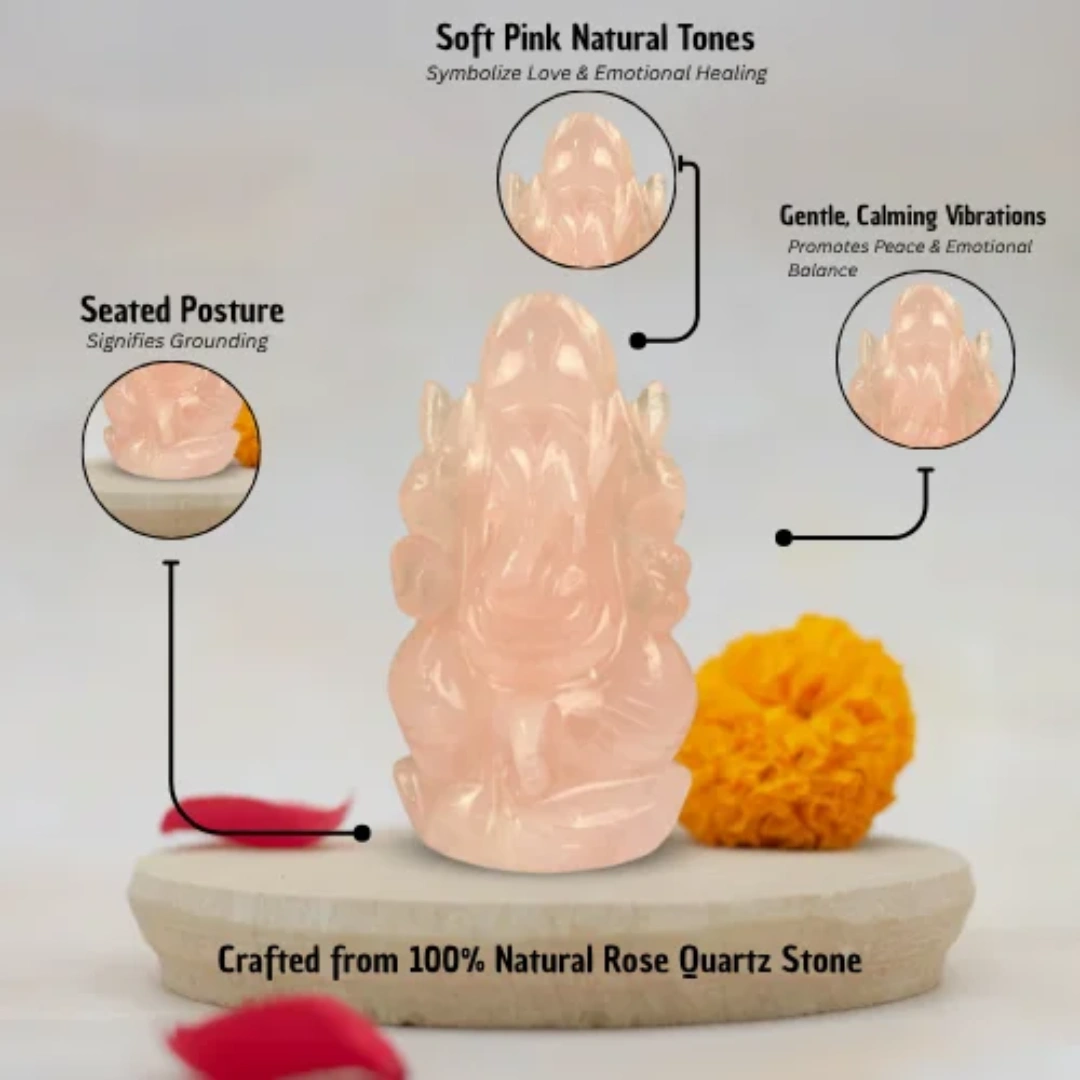
Ganesha removes obstacles. Rose Quartz heals the heart.
Think about what that means together.
The obstacle between you and a healed relationship — Ganesha addresses it. The fear of loving again after loss — Rose Quartz softens it.
The obstacle between you and self-acceptance — Ganesha clears the path. The self-criticism that keeps you from that acceptance — Rose Quartz works on exactly that.
The obstacle in a new beginning you are too afraid to start — Ganesha gives you the opening. The anxiety and self-doubt about whether you deserve that beginning — Rose Quartz holds the heart steady.
Most crystal Ganesha murtis are chosen for prosperity, for career success, for protection. Those are all valid. But if what you actually need right now is healing — of a relationship, of yourself, of something that broke — this is the specific combination for that.
And it is not a coincidence that the God of New Beginnings lives in the Stone of Love. Because most new beginnings require a healed heart to receive them.
Where to Place It — For Maximum Effect
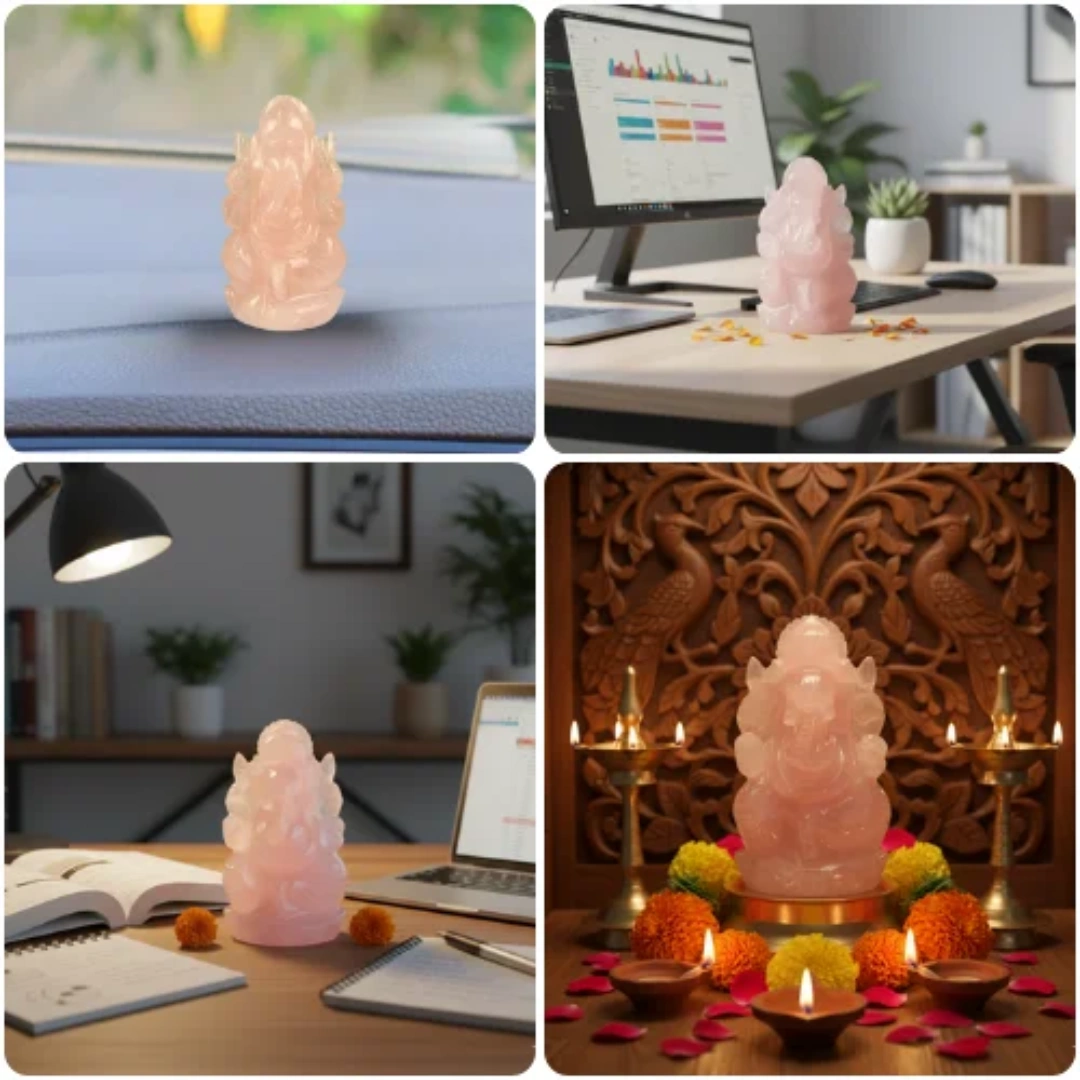
Home mandir: East or northeast direction — morning light brings a beautiful warmth to the pink of Rose Quartz. During morning puja, the stone will glow softly.
Bedroom: Southwest corner of the bedroom — Vastu's direction for relationships and stability. This is especially recommended for couples seeking harmony, or for anyone healing from a difficult period emotionally.
Living room: Center of the home or southeast — where family gathers, where energy is shared. Rose Quartz in shared spaces improves the overall emotional tone of the environment.
Gifting placement: When gifting this murti for griha pravesh or a wedding — suggest the southwest corner of the bedroom or the home mandir. It is a specific enough suggestion that the recipient will remember it.
What to avoid: Do not place in direct harsh sunlight for extended periods — Rose Quartz can fade slightly with prolonged sun exposure unlike Tiger Eye. Indirect natural light is ideal.
Daily Puja — Simple and Intentional
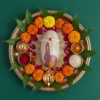
Light a small diya — pink or white candle works too if you prefer. Offer a pink or white flower — roses are especially appropriate for Rose Quartz Ganesha. Chant "Om Gam Ganapataye Namah" 11 or 21 times.
Before you begin — take one moment to name clearly what you are asking for. Not vaguely. Specifically. Ganesha responds to clear intention.
If you are healing from something — say it. If you are beginning something new — name it. If you want more love in your life — be honest about what kind.
The quality of your puja is in the quality of your intention. The stone and the deity do the rest.
Cleaning and Care
Rose Quartz is a gentle stone — keep it gentle in care too.
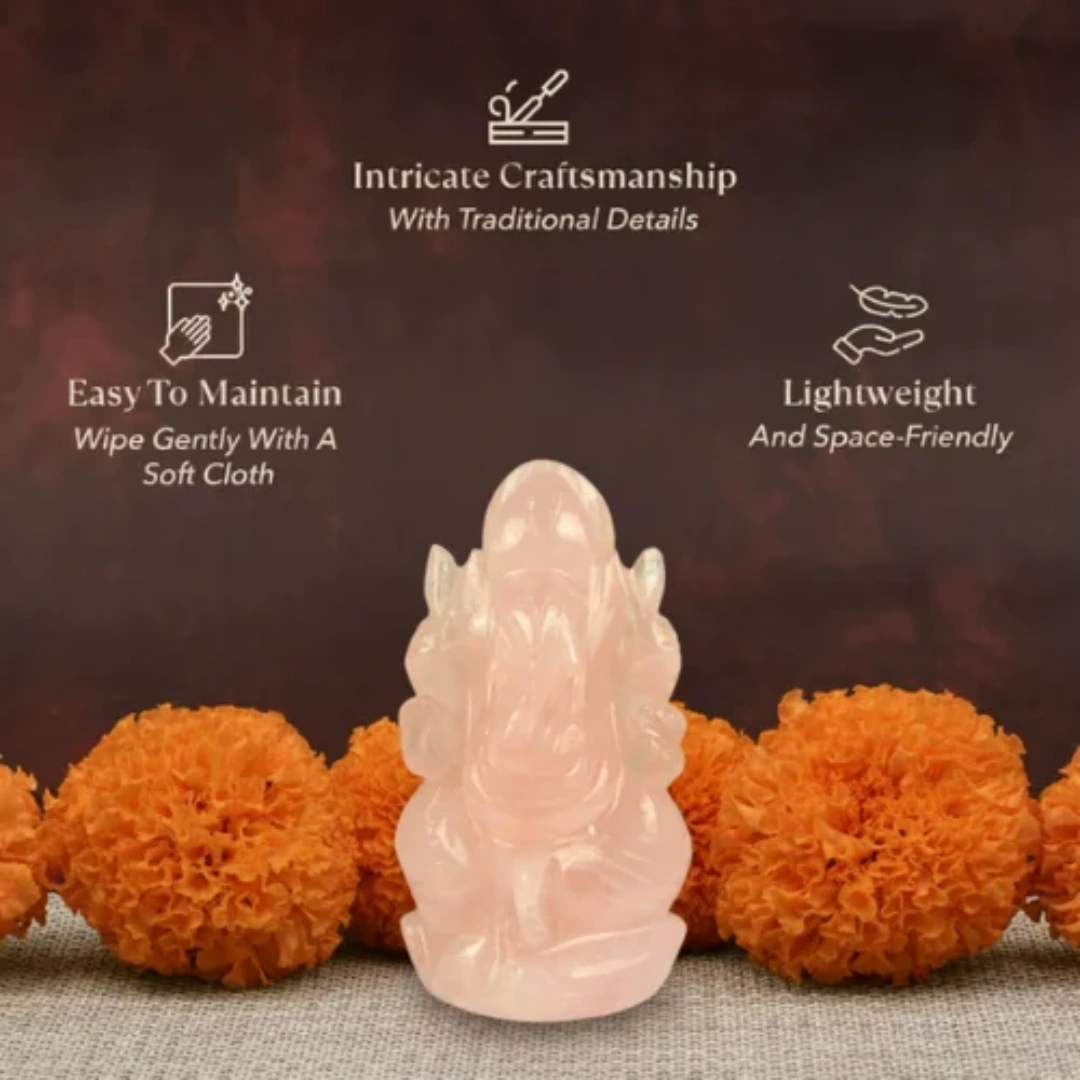
Clean with a soft dry cloth. No water, no chemicals, no salt. If the stone collects fine dust, use a soft brush.
For recharging — moonlight is ideal. Full moon night, place the murti near a window where moonlight falls on it. Leave overnight. This is the traditional method for Rose Quartz — it is a lunar stone, connected to Venus and the softness of moonlight.
Unlike Tiger Eye, Rose Quartz should not be placed in prolonged direct sunlight — it can cause very slight fading of the natural pink over time. Indirect light or moonlight is the correct approach.
Once a month is enough — hold the murti in both hands, set a clear intention for what you want it to hold in your space, and place it back.
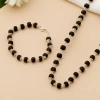
For more spiritual products to complete your home mandir — explore the Pooja Items collection at Suyagya. For crystal healing alongside your Ganesha puja, the Rose Quartz Chip Mala carries the same energy in wearable form.