 Best Offers for You




There is a memory that lives in almost every Indian heart.
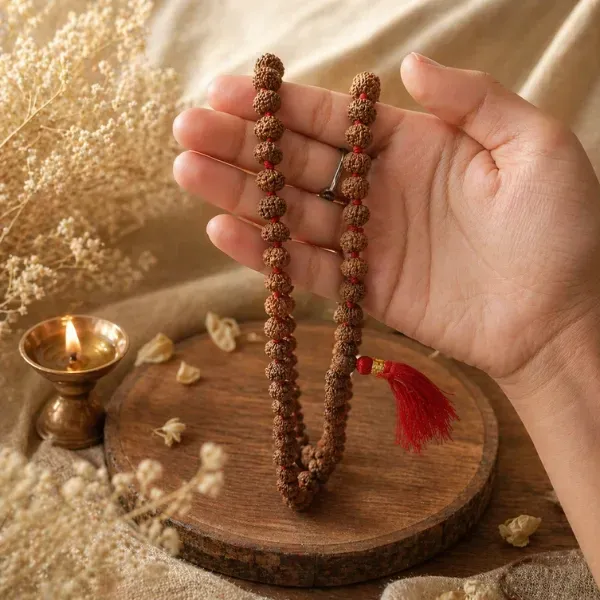
A early morning. The house still quiet. The sky outside just beginning to turn from black to dark blue. And somewhere in that stillness — the sound of water being poured. Soft footsteps. The smell of incense. And then, the small warm glow of a diya, flickering next to a tulsi plant in the courtyard.
This is not a childhood memory you invented. This is something you actually lived. Maybe it was your dadi. Maybe your naani. Maybe your own mother — before the world got too busy and too loud and mornings became just alarms and rushing and deadlines.
You remember watching her. Hands folded. Eyes closed. Lips moving quietly. No drama. No performance. Just a woman and her Bhagwan, meeting each other at the start of a new day.
And at the center of it all — the tulsi plant. Standing there like it had always been there. Like it would always be there.
What We Forgot Along the Way
Somewhere between then and now, something shifted.
We moved to cities. We got busy. We stopped keeping tulsi plants because "there's no space in a flat." We stopped doing morning prayers because "there's no time before office." We stopped wearing sacred things because "log kya sochenge."
And slowly, quietly — we lost the thread.
Not the faith. The faith never really went anywhere. It just got buried under notifications and deadlines and the exhausting performance of modern life.
Most of us still feel it — that pull toward something sacred. That moment in a mandir when you close your eyes and everything gets quiet. That inexplicable peace when you hold something blessed in your hands. That deep, wordless knowing that there is more to this life than what a screen can show you.
The thread is still there. We just need something to hold onto it.
Why Tulsi
Of all the sacred things in Hindu tradition — and there are many — tulsi holds a place that is completely her own.
She is not just a plant. She is not just an ingredient in kadha. She is Mata. Vishnu Priya. The one Bhagwan himself chose to hold dear.
The Garuda Purana says that where tulsi grows, negativity cannot stay. That the air around her is purified. That those who wear her wood close to their skin carry a protection that goes beyond what the eye can see.
Grandmothers knew this long before it was written in any book. They put tulsi beads around their children's necks not as decoration — as armor. Gentle, sacred, invisible armor.
Ayurveda knew it too. Tulsi wood near the throat supports the body. It calms. It purifies. It keeps the energy around you moving in the right direction.
And the Vaishnav tradition built an entire identity around it. To wear a tulsi kanthi mala is to say — without words, without explanation — I am a bhakt. I walk with Bhagwan. Not perfectly. Not always. But intentionally.
How This Mala Was Made
At Suyagya, we don't just source products. We make decisions.
When we decided to offer a tulsi kanthi mala, the first question we asked ourselves was not "how do we price it" or "how do we photograph it." The first question was — "is this genuine enough to carry the name of Tulsi Mata?"
That is not a small question. It took us time to answer it honestly.
We visited suppliers. We rejected batches that had coating. We rejected beads that were clearly processed wood passed off as tulsi. We rejected anything that felt like it was made quickly, carelessly, for a market that would not notice the difference.
Because our customers notice. They hold this mala and they pray with it and they wear it to their parents' puja ghar and they pass it to their children. It has to be real.
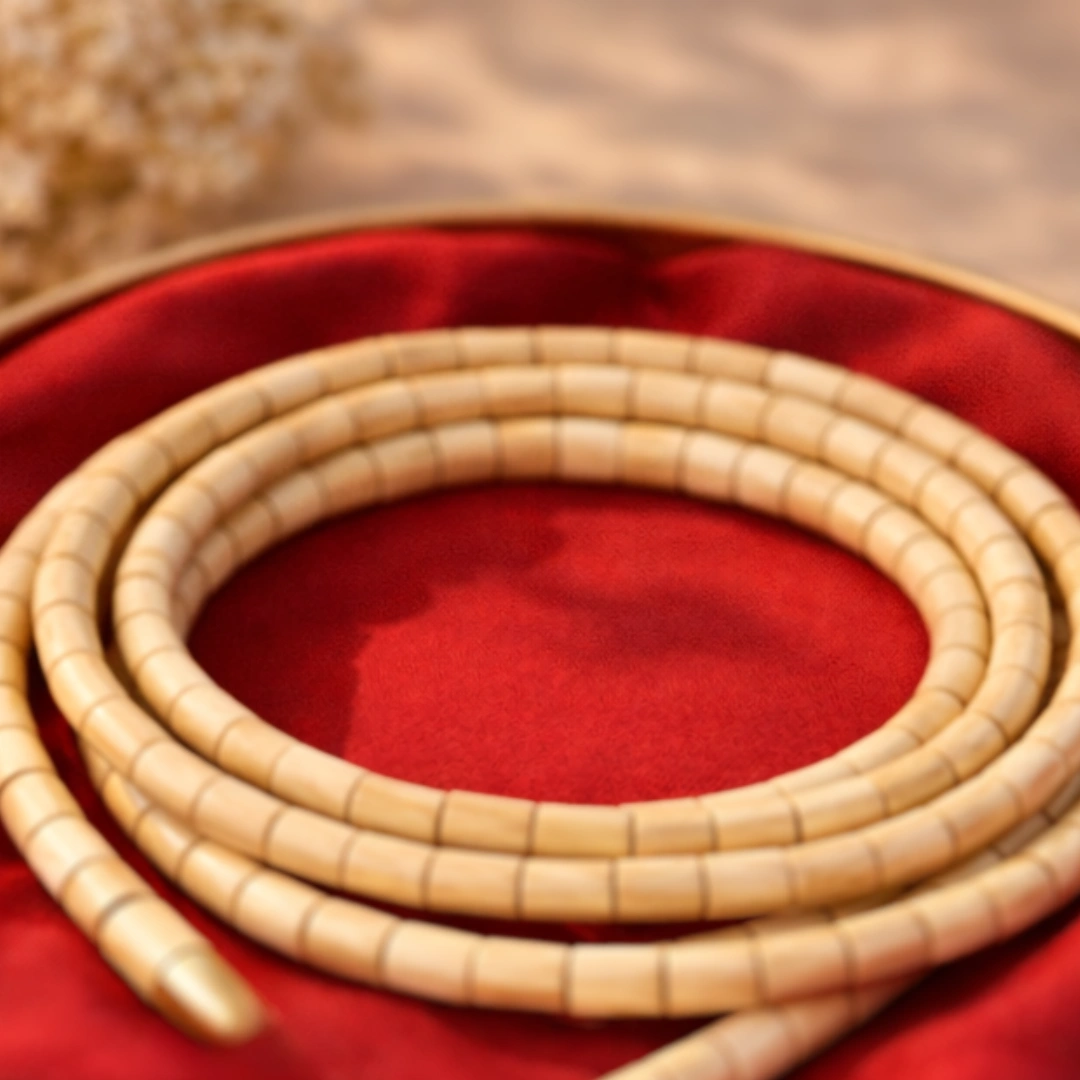
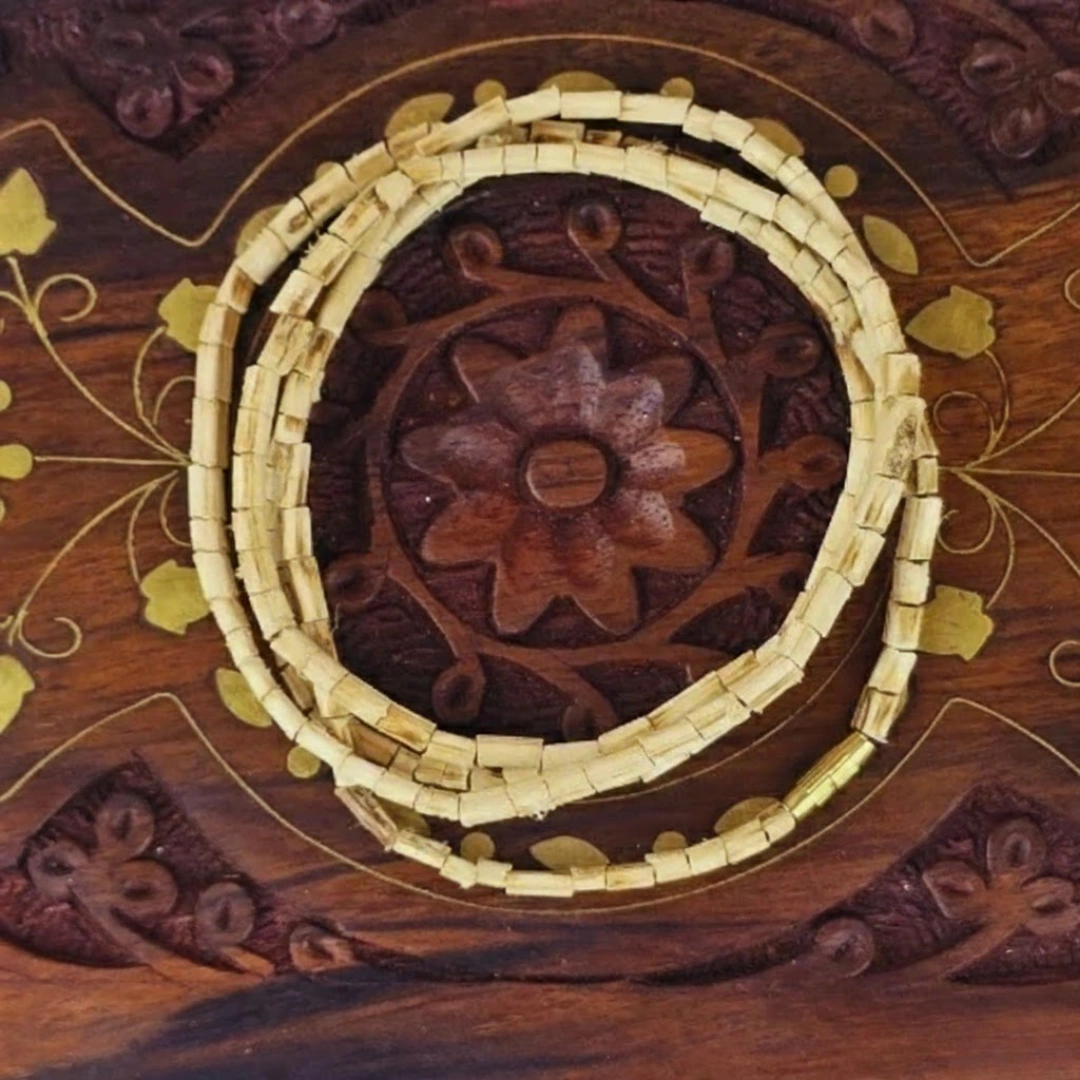
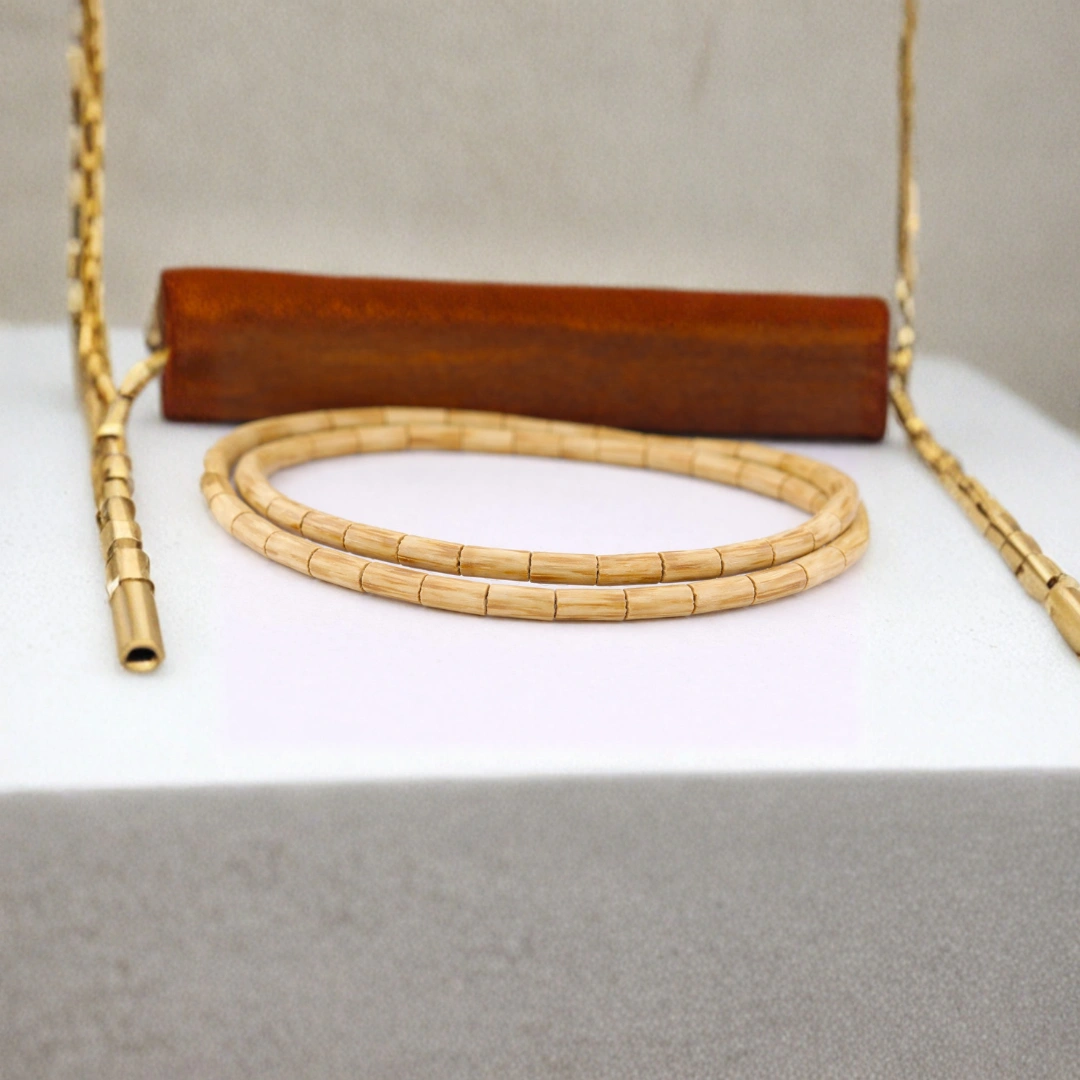
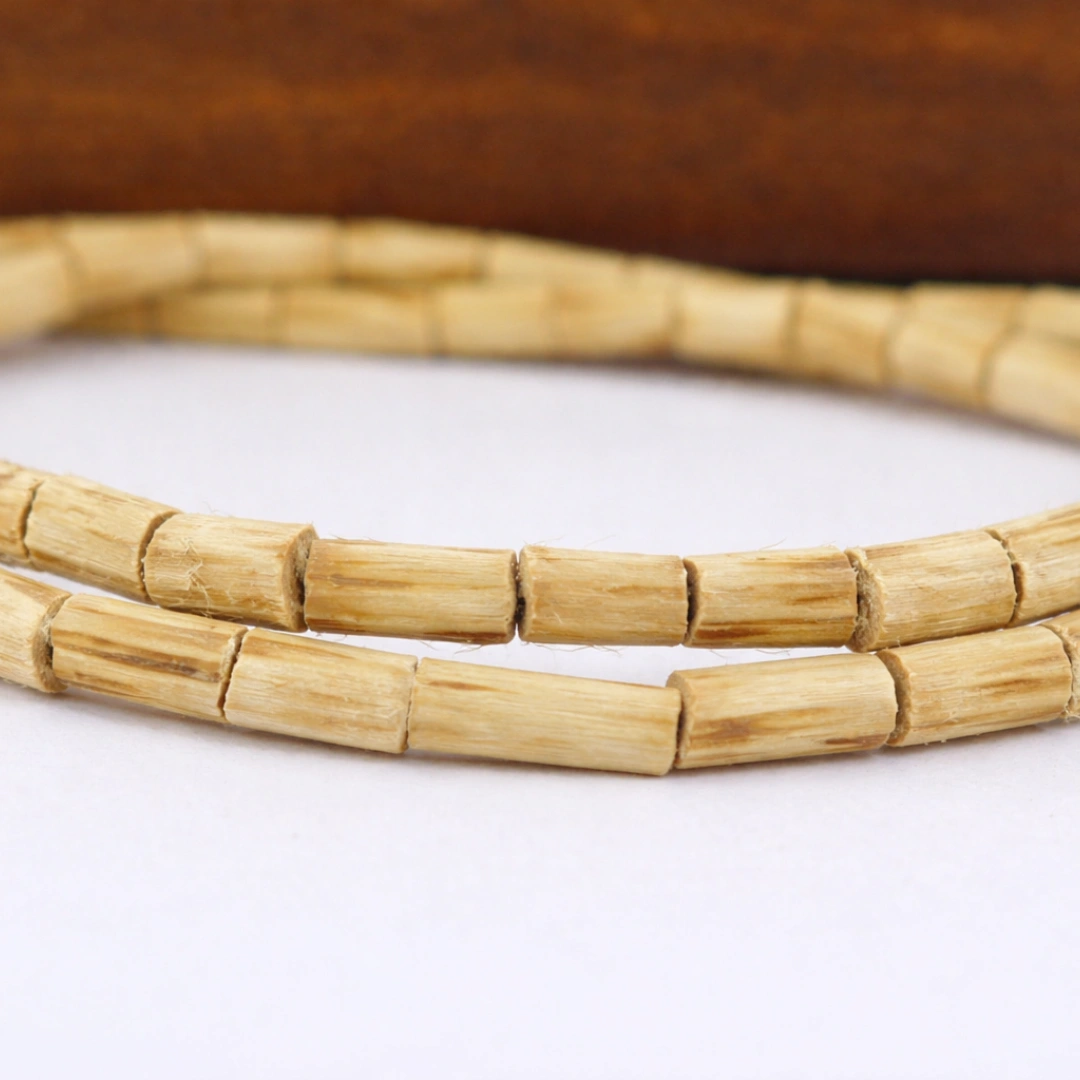
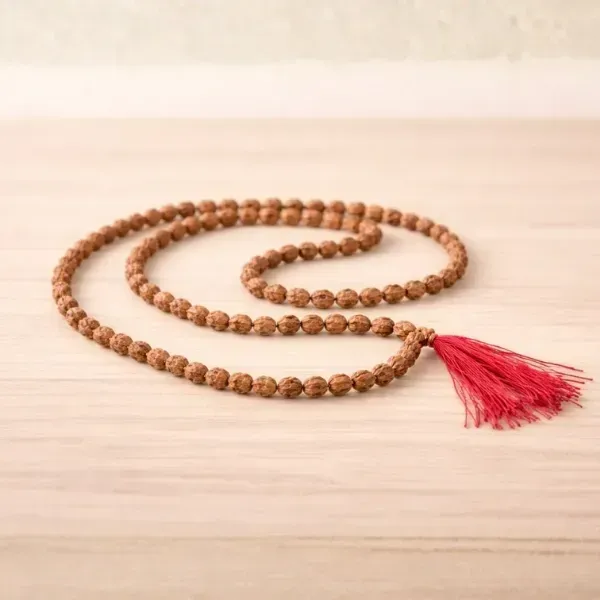
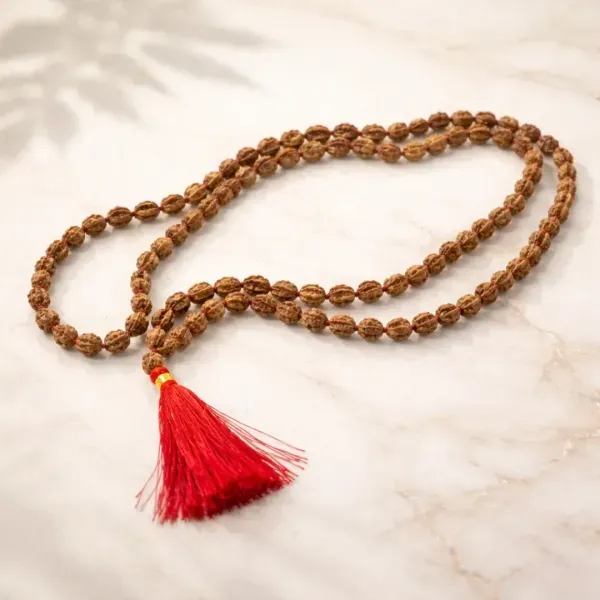
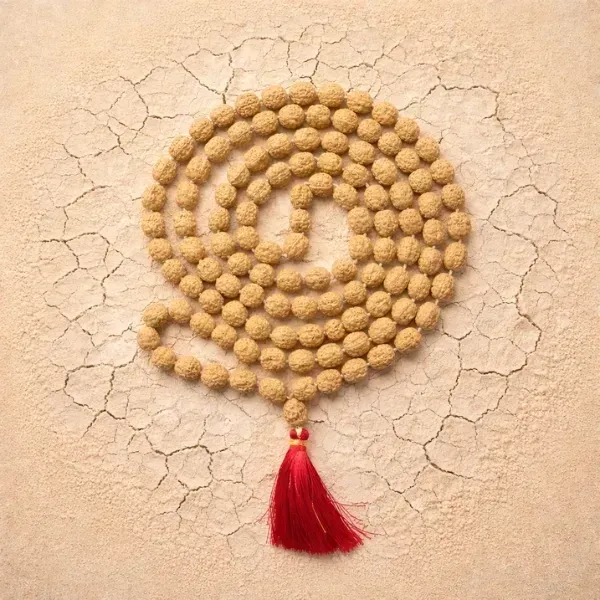
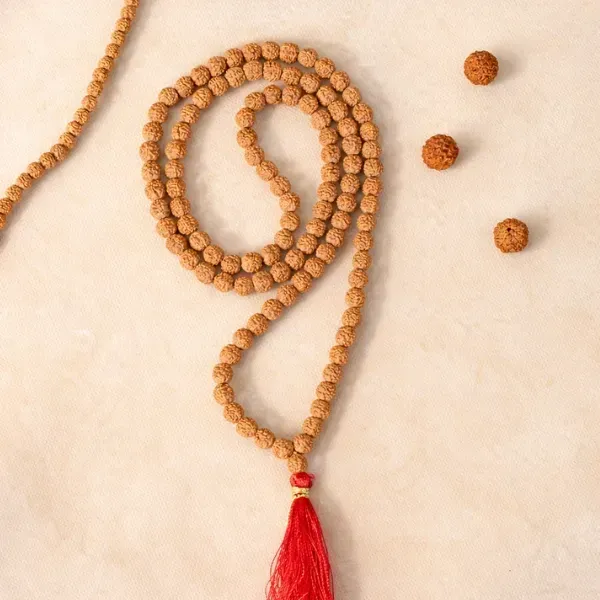
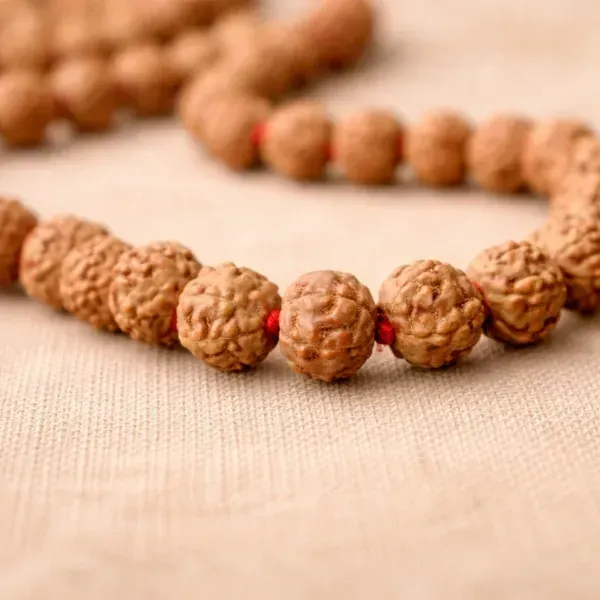
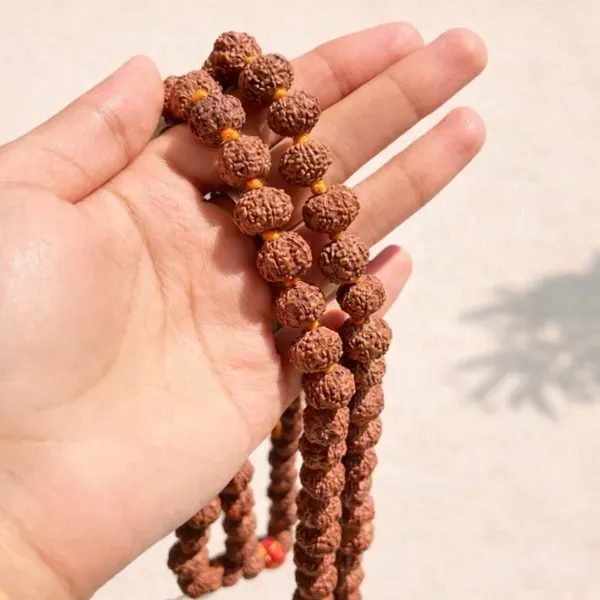
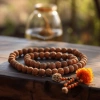
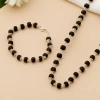
The mala you receive from Suyagya is made from original holy basil wood — no plastic, no synthetic coating, no artificial fragrance sprayed on to "smell like tulsi." The beads are hand inspected. The thread is tested. The clasp is checked.
And before it is packed — before it is even touched for final packaging — it goes through our energetic cleansing process. Sound cleansing. Intention setting. A quiet moment of preparation, so that what reaches your hands is not just a product that passed quality control. It is something that has been cared for. Prepared. Made ready for you.
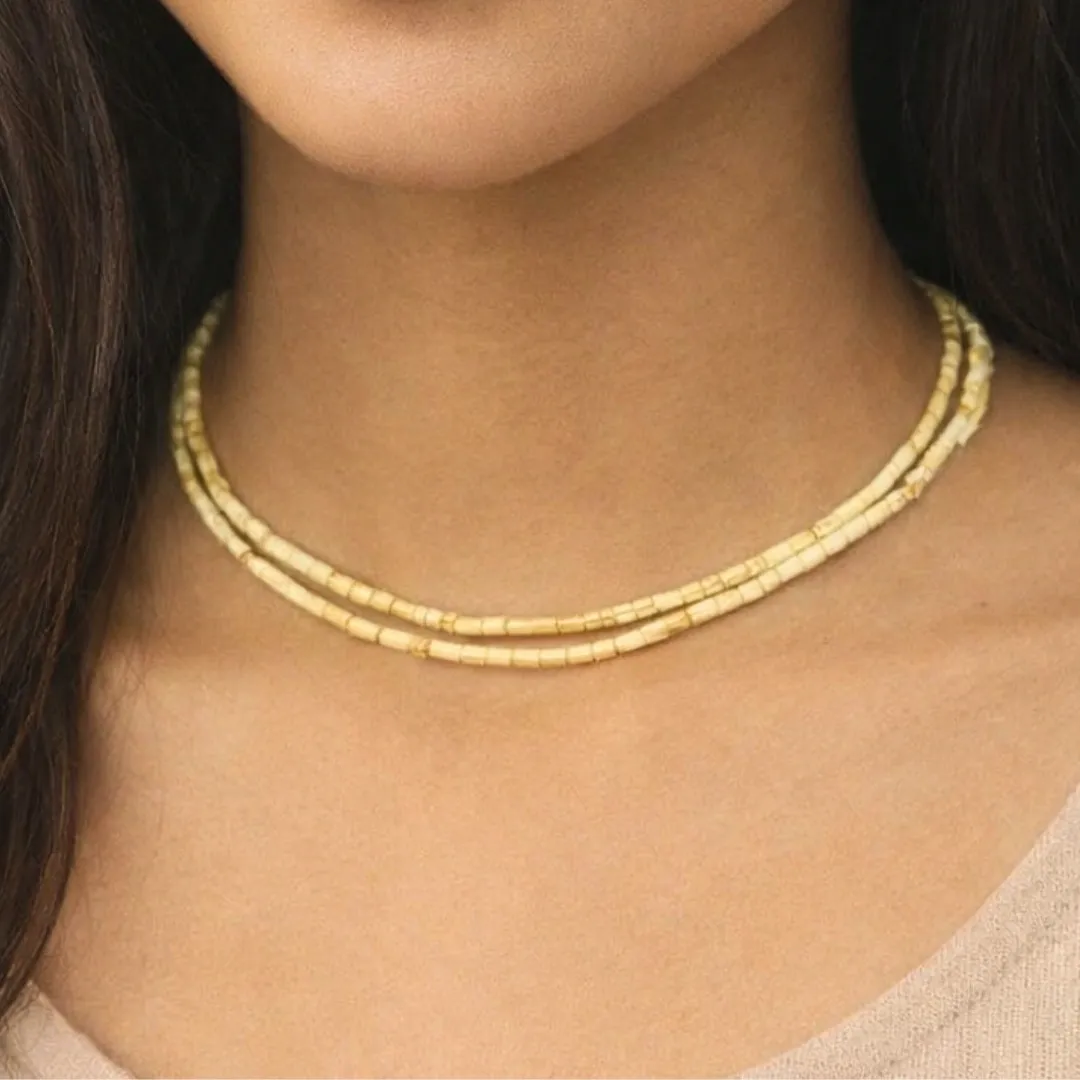
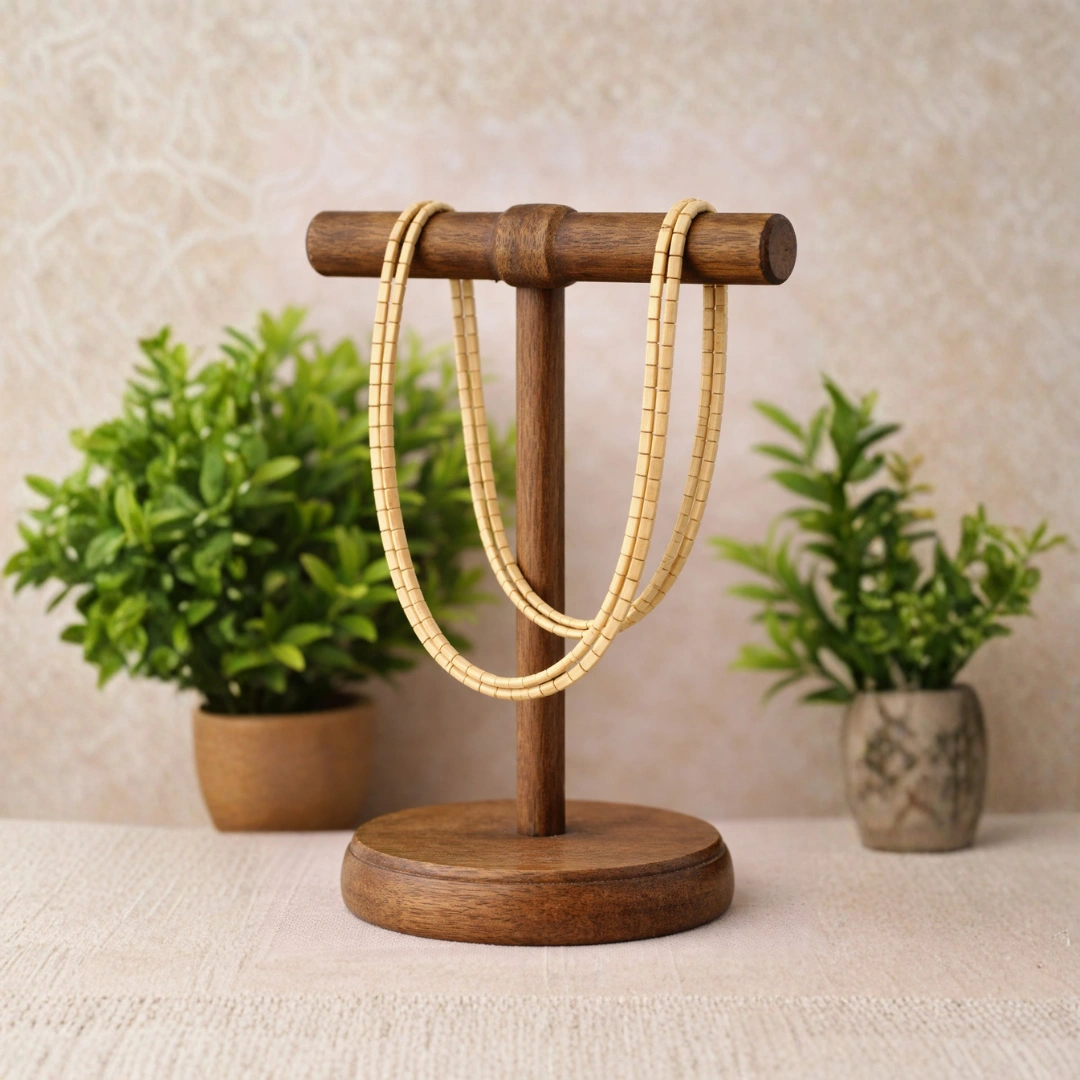
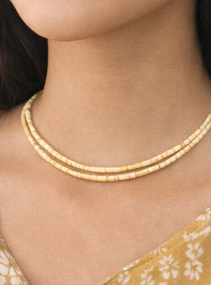
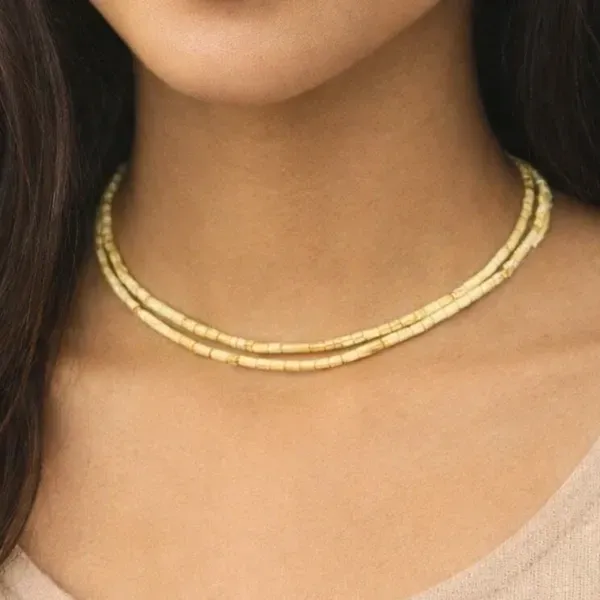
Double layer. Two rounds of genuine tulsi beads sitting close to your throat, close to your heart. The way a kanthi mala was always meant to be worn.
The First Time You Put It On
We have heard this from customers and we believe it completely — there is something different about the first moment you put on a genuine tulsi kanthi mala.
It is not dramatic. There are no fireworks. The sky does not open.
But there is something. A settling. Like a part of you that was slightly restless finds a place to rest. Like the weight of the beads on your neck is not a burden but an anchor — something that says, quietly and firmly: you are held. You are not alone. Bhagwan is not somewhere far away in a mandir you visit once a year. He is here. With you. Right now.
That feeling — that's what this mala carries.
Some people say they feel calmer on days they wear it. Some say their prayers feel more real, more connected, less like a routine and more like an actual conversation. Some say they notice themselves making better choices — small ones, daily ones — just because something around their neck keeps quietly reminding them of who they want to be.
We can't promise you a specific result. Suyagya never makes promises we can't keep. But we can tell you that something shifts. And once you feel it, you will understand why generations of bhakts have never taken this mala off.
Who This Is For
This mala is for the person who grew up watching their mother do puja every morning and somewhere, quietly, wishes they had that too.
It is for the devotee who does mantra japa and wants to feel that sacred thread between each repetition.
It is for the person sitting in a corporate office, fielding back to back meetings, who needs one small thing — one tiny anchor — to remind them what actually matters.
It is for the young couple setting up their first home who wants to bring something sacred into those walls from the very beginning.
It is for the parent who wants to give their child not just food and education but also — protection. The kind that cannot be explained but has been trusted for thousands of years.
It is for anyone who has ever stood in front of a tulsi plant at dusk, joined their hands, and felt — even for just a moment — that everything is going to be okay.
A Note From Suyagya
We started this brand because we believed that the sacred things of our tradition deserve to be handled with care. Not sold carelessly. Not faked. Not diluted into products that look spiritual but carry nothing real.
Tulsi Mata is not a trend. She is not an aesthetic. She is not something to be worn because it looks good on Instagram.
She is Vishnu Priya. And anyone who wears her wood carries that connection — whether they fully understand it yet or not.
We take that seriously. Every mala that leaves our hands is checked, cleansed, and sent with the intention that it reaches someone who will honor it.
That is our only job. And we do it with full heart.
Suyagya hai toh asli hi hoga.